



Highlights
- Anxiety can start to get worse seemingly all of a sudden, even if you’ve had it well-managed for years.
- Some signs that your anxiety is getting worse include increased symptoms, physical signs (like headaches and stomach problems), brain fog, and more.
- Anxiety usually gets worse because you’re under more stress than usual or because you’re going through a significant life change. But it can also be the result of unmanaged health conditions or lifestyle factors (like poor sleep).
- Treatment and lifestyle changes can both help you manage anxiety and start feeling like yourself again.
It can be discouraging when you notice your anxiety is getting worse, especially if you’ve felt relief from your symptoms for some time. Anxiety disorders are chronic conditions, which means the goal is often management rather than cure. You might find that your symptoms ebb and flow over time, and this is completely normal.
It’s understandable to feel frustrated when anxiety symptoms flare up. But there are many ways to take action. Worsening anxiety doesn’t mean that you can’t learn to manage your symptoms again.
Signs Your Anxiety Is Getting Worse
When you’re aware of the signs of worsening anxiety, you can quickly take action when you need to. Anxiety can look different depending on who you are and what specific condition you live with, so it’s also important to recognize your own personal warning signs.
Here are some common signs anxiety is getting worse.
Emotional and Cognitive Signs
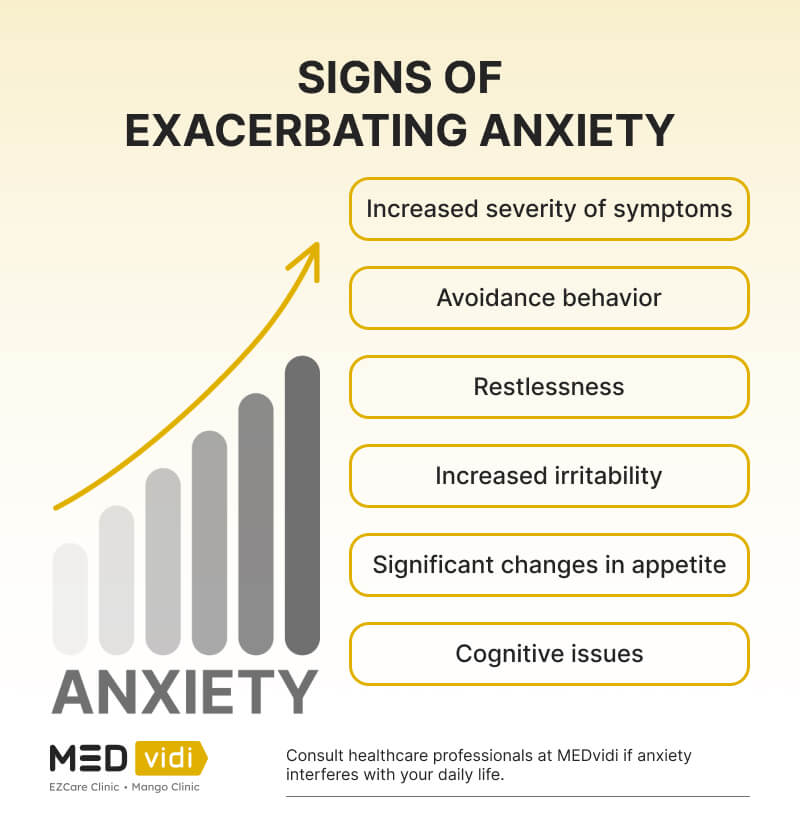
One of the first things you might notice is that you feel worse. Worsening anxiety can show up in your emotions and thoughts.
- Increased Worrying: You worry excessively about even minor stressors, even things that wouldn’t normally bother you. You go over these worries again and again in your mind, and your usual coping strategies aren’t helping you feel better.
- Difficulty Concentrating: One of the prevalent symptoms of anxiety is
difficulty focusing[1] . You might find yourself getting more easily distracted or experiencing what feels like “brain fog.” You can’t think clearly. - General Feeling of Dread: You might have an increasing sense of dread or impending doom, even if you can’t put your finger on what’s causing it. You feel like you’re always expecting the worst-case scenario to happen (also known as catastrophizing).
- Restlessness and Increased Irritability: You might start feeling more restless, jittery, and agitated. It often feels like you can’t relax, even when you’re exhausted.
Behavioral and Physical Signs
Other times, worsening anxiety can show up in sneakier ways. Even if you don’t feel more anxious, you may start behaving differently or experiencing physical symptoms.
- Difficulty Sleeping: Insomnia and other sleep problems are some of the most commonly reported symptoms of anxiety. If you’re suddenly tossing and turning every night, it could be a sign that your anxiety is worse.
- Avoidance Behavior and Social Isolation: You might start to avoid events, places, or people that make you anxious more often. Even if you don’t realize why, you might start withdrawing from your loved ones or declining social invitations.
- Significant Changes in Appetite or Eating Patterns: When your anxiety gets worse, your eating habits can change. You might lose your appetite or find yourself eating more than usual.
- Physical Symptoms and Increased Sensitivity: Anxiety has many recognized symptoms. For many people, these physical changes might be the only signs that anxiety is getting worse. These symptoms include headaches, muscle tension, exhaustion, and stomach problems.
Effects on Life and Functioning
Lastly, the impacts that worsening anxiety has on your daily life can sometimes be the most glaring signs that your anxiety is getting worse. You might notice things like:
- Falling Grades or Decreased Work Productivity: You might notice that your work or school performance is declining, but not really have an explanation for it.
-
Relationship Troubles: You could get involved in more conflict with your loved ones or end up avoiding them altogether.
-
Unhealthy Coping: You might notice yourself engaging in more unhealthy coping mechanisms like using alcohol and other substances, doomscrolling for hours at a time, binge-eating junk food, and more.
Why Is My Anxiety Getting Worse? Common Causes and Triggers
Many things can make anxiety worse over time, especially when it’s left untreated. Researchers haven’t identified one singular reason why anxiety is triggered or gets worse. But these factors can play a major role.
Stress, Burnout, and Life Changes
One of the most common reasons why anxiety can suddenly get worse is stress. If you’re going through a challenging situation in your life, it’s understandable for your anxiety to get worse. Examples include:
- Burnout or overworking
- Loss and grief
- Stressful events in society or in the news
- Relationship conflicts
Lifestyle Factors
The way you take care of yourself and your body can play a major role as well. Certain habits and behaviors can make anxiety significantly worse. For example:
Sleep deprivation[2] - Poor diet and lack of physical activity
- Too much caffeine or other stimulants
- Drug and alcohol use

Thinking Patterns
The way you think about the events in your life also plays a big role in worsening anxiety. The way you think about anxiety itself can also trap you in a vicious cycle.
- Overthinking and Rumination: Going over and over anxious thoughts in your head can make you feel even more anxious.
- Cognitive Distortions: These are unhealthy, and often irrational, thinking patterns that make you feel more anxious. For example, you might assume the worst-case scenario in every situation.
- Seeking Reassurance: Constantly depending on others’ reassurance to manage anxiety can get you trapped in a cycle of worsening anxiety.
Other Health Conditions & Medications
Why Trying to Control Anxiety Can Backfire
It’s helpful to use your coping strategies to manage anxiety symptoms. But sometimes, trying to control your anxiety, or to push it away or deny it, can make anxiety even worse.
Some maladaptive coping skills include substance use, such as drinking alcohol to try to numb the anxiety or avoiding everything that triggers it. You might try to control your surroundings or constantly ask others for reassurance.
Maladaptive coping behaviors might feel like they’ll make you feel better, and they may actually help you run from anxiety for a short while. But they tend to make anxiety worse in the long-term because you’re just pushing it down. When it inevitably comes back up, it may have gained even more power.
The important thing is to find ways to manage anxiety without judging yourself for having these feelings. Instead of trying to force yourself to feel differently, try:
- Recognize that you’re feeling anxious. Notice where you feel the anxiety in your body.
- Stop trying to avoid the feeling or control your triggers. Use mindfulness to stay present with anxiety without judging yourself for feeling this way.
- Use evidence-based coping strategies (like deep breathing) to calm your nervous system.
What to Do If Your Anxiety Is Getting Worse
What to Do Right Now
If you’re feeling your anxiety surge right now, there are ways to quickly intervene and relax your nervous system.
- Practice Controlled Breathing Techniques. Examples include diaphragmatic breathing (belly breathing) or box breathing. These exercises slow down your breathing and activate your parasympathetic nervous system.
- Try Muscle Relaxation. You can use a guided progressive muscle relaxation technique, or give yourself a gentle massage. Often, anxiety makes you tense your muscles without even realizing it.
- Identify the Trigger. Sometimes, you might experience short-term anxiety because of a major trigger. For example, if you recently lost your job, it makes sense that you would feel anxious. Sometimes, knowing what triggered your symptoms can help you feel validated.
- Talk to Yourself With Gentle Kindness. Be intentional about the self-talk you use. When you’re in a heightened state of anxiety, your mind might start spinning around thoughts like, “I’m out of control. I’m going to die. This is horrible.” Instead, intentionally talk to yourself in a different way: “I feel anxious, and that’s okay. I’m safe. My nervous system is just reacting to something, but all emotions pass.”
What to Do in the Next Week
Your daily habits make a big difference in your mental health. If you’ve noticed that your anxiety has been getting worse, think about what lifestyle changes you can make starting today.
- Prioritize Restful Sleep. When you’re sleep-deprived, anxiety often gets worse. Anxiety also makes it harder to sleep, so you can get locked in a vicious cycle.
- Eat Nourishing Meals. Eat sufficient and balanced meals even if you’re not hungry. Not eating enough or skipping meals can sometimes make you feel more anxious or jittery.
- Connect With Your Loved Ones. Anxiety can make you want to avoid the world, but it’s important to stay connected. Let people you trust know that you’re going through a flare-up of anxiety. Stay connected to people you can talk to.
- Move Your Body. Exercise has been
clinically proven[5] to reduce stress and anxiety. Find enjoyable ways to move your body more. Even if you don’t feel motivated, focus on following through with goals, and notice how you feel afterwards. - Reduce Stimulants. Notice how you feel when you consume stimulants like caffeine. Experiment with reducing the amount of caffeine you take and see if that makes a difference in how you feel. If you take stimulants as prescribed medication (for ADHD), tell your healthcare provider that you’re feeling anxious.
When to Seek Professional Help
Sometimes, worsened anxiety may return to baseline after making some lifestyle adjustments — especially if you’ve already been in treatment in the past. But often, people benefit from getting professional support to help them manage their new symptoms. Anxiety is a chronic health condition that doesn’t tend to go away on its own.
Seek professional treatment if:
- Anxiety symptoms are getting in the way of your day-to-day life (for example, anxiety is affecting your work performance or your relationships).
- You’re avoiding your anxiety triggers to the point where it’s affecting your quality of life.
- You’re depending on unhealthy coping skills, like substance use or self-harm.
- Anxiety symptoms have been getting worse and worse over time, even after you’ve implemented lifestyle changes.
- You have thoughts about hurting yourself or ending your life because of your anxiety.
If you’re experiencing suicidal or self-harming thoughts and require immediate assistance, contact a crisis hotline, such as 911, 988 suicide & crisis lifeline (toll-free), or Samaritans (116-123 or via chat).
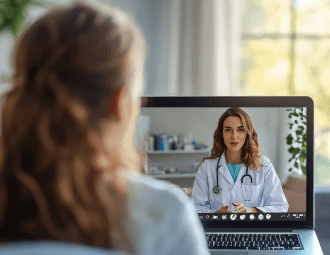
If you’re already working with a mental health professional, let them know that your anxiety symptoms are worsening. They can make adjustments to your treatment plan and help you identify your triggers. If you haven’t sought help yet, you can receive anxiety treatment online at MEDvidi within 24 hours.
Treatment Options for Worsened Anxiety
Usually, the best strategy to reduce anxiety is to use a holistic approach that combines both medication and therapy along with healthy lifestyle changes.
A healthcare professional can work with you to develop a treatment plan that fits your needs and circumstances.
Psychotherapy
Psychotherapy, also called talk therapy or counseling, helps you address the root causes of your anxiety and change thinking patterns that make it worse. For example, cognitive-behavioral therapy (CBT) can help you recognize and change negative thought patterns and behaviors that could be contributing to anxiety. Exposure and mindfulness-based therapies have also been found to be effective against anxiety.
Medications
Anti-anxiety medications can also help. Selective serotonin reuptake inhibitors (SSRIs) and serotonin-norepinephrine reuptake inhibitors (SNRIs) are often prescribed for generalized anxiety disorder (as well as other types of anxiety). These medicines help regulate neurotransmitter levels in the brain, which reduces severe anxiety.
Another group of medications, benzodiazepines, can provide temporary relief for some people. However, they are only recommended for short-term use due to their high risk of addiction as well as their side effects.
Guidance and prescription from a licensed medical provider (like a psychiatrist, general practitioner, or nurse practitioner) is required for all anxiety medications.
Conclusion
Recognizing the signs that your anxiety keeps getting worse is essential to maintaining your mental well-being. If you’ve noticed that your anxiety is getting worse, contact MEDvidi today to see a healthcare provider and receive personalized support and recommendations.
Frequently Asked Questions
Why has my anxiety increased so much?
When is anxiety usually the worst?
Why does my anxiety keep getting worse?
Can you have flare-ups of anxiety?
Why is my anxiety getting worse all of a sudden?
Why is anxiety worse at night?
Anxiety at night often has to do with the lack of distractions that keep your mind occupied during the day. You’re lying in bed with nothing but your thoughts, and worries can sneak up on you.