

Content

Does Modafinil Help With ADHD? What the Research Says

Kimberly Rath
Author:
Kimberly Rath
PharmD
Dr. Michael Chichak
Medical Reviewer:
Dr. Michael Chichak
MD
The medications listed on this website are provided for informational purposes only.
Their inclusion does not guarantee they will be prescribed to any individual, as treatment decisions are ultimately at the discretion of healthcare providers. Healthcare providers may prescribe other medications, including non-stimulant options, or recommend non-pharmacological treatment based on the patient’s unique health circumstances and needs. Read more

Modafinil[1] is a Schedule IV controlled substance, which means that it has a risk of misuse or dependence. Specific federal and state laws limit the amount of this medication that can be prescribed or dispensed within a certain period of time. Modafinil also has serious warnings and precautions, such as serious rash, including Stevens-Johnson syndrome, angioedema and anaphylaxis reactions, psychiatric symptoms in some patients, and others. Remember to discuss all the risks, contraindications, and precautions with your medical provider.

Highlights

  • Modafinil is not FDA-approved for ADHD, but some research suggests it can improve attention, focus, and cognitive fatigue in adults.
  • Compared with traditional stimulants, modafinil is less likely to cause dependency, but it can still cause side effects and drug interactions.
  • Healthcare providers may consider modafinil as an off-label option when first-line ADHD medications are not well-tolerated or are contraindicated.

Attention-deficit hyperactivity disorder (ADHD) is commonly treated with stimulants, such as methylphenidate or amphetamine-based medications. However, not everyone tolerates these medications well, and some adults continue to struggle with symptoms despite treatment. 

Because of these challenges, interest has grown in alternative medications and cognitive enhancers, sometimes referred to as nootropics, including prescription medicines such as modafinil that can be used for ADHD management off-label in some cases.

Get a personalized treatment plan for ADHD from a licensed healthcare provider in 24 hours.

What Is Modafinil (Provigil)?

Modafinil (brand name Provigil)[2] is a prescription medication originally developed to treat narcolepsy, a condition that causes excessive daytime sleepiness. It is also FDA-approved to treat shift work sleep disorder and excessive sleepiness associated with obstructive sleep apnea. 

While modafinil is not FDA-approved for the treatment of ADHD, some healthcare providers prescribe it “off-label” for this purpose. Off-label[3] use means a medication is prescribed to treat a condition not listed in its official FDA approval.

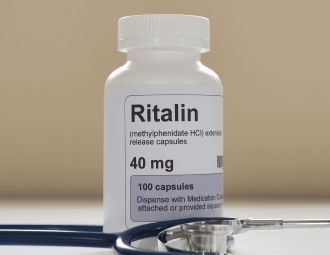
Modafinil promotes wakefulness by acting on several specific neurotransmitters in the brain involved in alertness and attention. It is classified as a Schedule IV controlled substance[4] , meaning it does have some potential for misuse or dependence, although the risk is generally considered lower than with stimulants like Adderall or Ritalin.

Does Modafinil Help With ADHD?

Research[5] suggests that modafinil may help improve certain symptoms of ADHD in adults, including improved cognitive function, short-term memory, and the ability to concentrate on tasks, while also helping reduce daytime fatigue and mental fog. Adults with ADHD who primarily struggle with inattention, difficulty maintaining focus, cognitive fatigue, or reduced mental stamina may find modafinil particularly helpful in improving daily functioning.

However, modafinil appears to be less effective[6] overall than FDA‑approved stimulant medications for adult ADHD. Modafinil may also have less impact on emotional dysregulation[7] , which many adults with ADHD experience. Treatment response can vary widely between individuals, and some adults may not see any benefit[8] . Because of this, most clinical guidelines[9] recommend using FDA-approved ADHD medications first before considering alternatives such as modafinil.

"Although modafinil is not FDA-indicated for the treatment of ADHD, medical providers frequently prescribe it in certain settings. For example, it can be suitable when ADHD is combined with significant daytime fatigue and mental fog. Also, while being a potentially abusable medication, modafinil is a bit less likely to be abused compared to some other ADHD agents. Finally, it may fit if a person has failed multiple ADHD medications due to side effects or intolerances. It's important to discuss medication choice and instructions with your healthcare provider before starting treatment."
Medical provider at MEDvidi

How Does Modafinil Work for ADHD?

The exact mechanism of action of modafinil is not completely understood, but research[2] shows that it increases the activity of several neurotransmitters in the brain, including dopamine, norepinephrine, histamine, and orexin. These brain chemicals play important roles in helping regulate alertness and cognitive performance.

However, modafinil’s mechanism of action influences its effectiveness. Stimulant medications prescribed specifically for ADHD rapidly increase dopamine levels in the brain, which contributes to their efficacy (although it also means a higher potential for misuse). An off-label modafinil, on the other hand, produces a more gradual and moderate increase in dopamine activity in the brain.

What Does the Research Say About Modafinil for ADHD?

Several clinical trials have examined modafinil as a potential treatment for ADHD and overall, the research findings are mixed. Some studies suggest that modafinil can reduce ADHD symptoms[5] compared with placebo, while others have found little or no significant benefit[8] , particularly in adults.

A 6-week, double-blind, randomized controlled trial[10] found that children treated with modafinil had significantly better ADHD Rating Scale scores reported by parents and teachers compared with those receiving placebo.

Other studies of modafinil in children and adolescents have also reported short-term improvements in ADHD symptom scores at home and at school compared with placebo. Significantly higher proportions of patients receiving modafinil were rated[11] “much improved” or “very much improved” in overall clinical condition.

A 2017 review[12] of short-term clinical trials found modafinil was more effective than a placebo for ADHD symptoms in children and adolescents over the short term. However, the trials behind this finding were small and limited in duration, so they tell us little about how safe or effective it is over time.

In contrast, several randomized controlled trials in adults with ADHD have found no significant reduction in symptoms compared with placebo.

Explore available treatment options for ADHD with the help of a licensed provider and receive a prescription online, if deemed appropriate.

Why Isn’t Modafinil Approved for ADHD?

Modafinil has not been approved for ADHD, mainly due to concerns about serious side effects in children. In clinical studies[13] , approximately 0.8% of children who took this medication developed a serious skin rash that required them to stop taking it. There were additional concerns about a rare but potentially fatal skin reaction known as Stevens-Johnson syndrome. Due to these safety concerns, and because safer, proven alternatives were already available, the FDA ultimately decided not to approve modafinil for the treatment of ADHD in children.

In addition, most studies of modafinil have been relatively short, typically lasting only six to nine weeks. These short timeframes leave questions about the long-term safety and effectiveness of modafinil, when other ADHD therapies have well-established data supporting their safety and efficacy. Research findings have also been mixed, with some studies showing improvement in ADHD symptoms, while others show more modest or no benefit, particularly in adults.

"Modafinil is not FDA approved for ADHD treatment largely because of the mixed data and its serious nature. When the FDA approves a medication for a specific indication, clinical trials need to show a substantial impact on the intended treatment outcome. When this is not present, FDA approval is frequently not given. However, based on the provider's professional judgment, some medications can still be prescribed off-label for conditions they have not been approved to treat. You need to have a specific conversation about whether or not this would be a good option after potentially more appropriate options are weighed out."
Medical provider at MEDvidi

When Might a Clinician Consider Modafinil for ADHD?

Although modafinil is not an officially approved treatment for ADHD, some healthcare providers may consider prescribing it off-label in selected adults who cannot tolerate stimulants’ side effects, such as anxiety or insomnia, do not respond to approved ADHD medicines, or have concerns about stimulant misuse. They may also consider modafinil when the primary symptoms involve daytime sleepiness, cognitive fatigue, and difficulty sustaining attention rather than hyperactivity. It may also be chosen for patients who have ADHD along with sleep disorders such as narcolepsy, where the medication may address both excessive sleepiness and attention difficulties.

Side Effects, Safety, and Interactions

Modafinil is generally well tolerated. Side effects often go away over time as your body gets used to the medication.

Common side effects[14] include:

  • Headache
  • Nausea or upset stomach
  • Insomnia or difficulty sleeping
  • Decreased appetite
  • Anxiety or nervousness
  • Dry mouth

Less common but more serious side effects may include:

  • Rare severe skin reactions 
  • Increased blood pressure or heart rate
  • Severe allergic reactions
  • Psychiatric symptoms, including agitation or mood changes

Drug Interactions

Modafinil can interact with a number of medications because it affects liver enzymes involved in how medicines are broken down in the body. In some cases, it can reduce the effectiveness of other medications, while in others it can increase the risk of side effects. 

Common drug interactions[14] of modafinil include:

  • Hormonal contraceptives (which may become less effective)
  • Certain antidepressants, such as selective serotonin reuptake inhibitors (SSRIs) or tricyclic antidepressants
  • Blood thinners, such as warfarin
  • Seizure medications, such as phenytoin and carbamazepine

Be sure to talk with your healthcare provider about what medications and supplements you are currently taking before starting modafinil.

Modafinil vs. Standard ADHD Medications

FDA‑approved stimulants, such as Concerta or Adderall, are the most commonly used medications for ADHD and are considered first‑line[15] treatments for most children and adults with this condition. These agents have the strongest evidence for reducing symptoms and typically provide the fastest symptom relief. The most common side effects include appetite loss, insomnia, cardiovascular effects, and a potential risk of misuse.

Non‑stimulant ADHD medications, including atomoxetine, guanfacine ER, and clonidine ER, work differently and generally have a slower onset of effect. These medications may be used when stimulants are ineffective, poorly tolerated, or contraindicated. 

While the guidelines recommend[16] other agents for first- and second-line treatment of ADHD, modafinil can be considered off-label for specific adult cases rather than a routine ADHD medication. Due to the risk of serious skin reactions, modafinil should generally be avoided[14] in children.

Conclusion

Modafinil (Provigil) is a wakefulness-promoting medication FDA-approved for certain sleep disorders, but is sometimes prescribed off-label for ADHD. Research suggests that modafinil may improve focus, alertness, and aspects of working memory. 

It may be considered an option for select patients, particularly for adults who are unable to tolerate first-line ADHD medications, experience intolerable side effects, or have safety concerns with other medications. They may also benefit adults whose main symptoms are attention difficulties and cognitive fatigue. However, the evidence supporting modafinil for ADHD in adults still remains more limited than that for approved stimulant and non-stimulant medications. For this reason, modafinil is typically considered only after approved treatments have been tried or when other medications are not well tolerated. 

If you are considering modafinil as part of your ADHD treatment, the most important step is a thorough evaluation and conversation with a licensed healthcare provider who can assess your individual history, symptoms, and treatment goals. To get help online for ADHD, schedule an appointment with a MEDvidi provider today.


Frequently Asked Questions

Modafinil can be helpful for some adults with ADHD, particularly for those who struggle with inattention and cognitive fatigue. However, clinical trials have shown mixed results in reducing symptoms, and it is generally considered less effective than first-line stimulant medications.
For most people, modafinil does not worsen ADHD symptoms. However, side effects such as anxiety or agitation may occur in some people, which can make focusing more difficult.
Provigil (modafinil) promotes wakefulness and mental alertness, which many people describe as increased energy. However, it is not a stimulant and does not produce the same effects.
Modafinil typically begins working within 30 to 60 minutes after taking a dose, with effects lasting most of the day.
Yes. Provigil (modafinil) inhibits dopamine reuptake, meaning dopamine remains active in the brain’s synapses for longer. This is only one of the mechanisms through which it may help with attention and motivation. However, its effect on dopamine is much weaker than that of traditional stimulants, which is why it has a lower potential for dependency.
When used off-label for ADHD, the typical dosage for modafinil is 100-200 mg per day, most commonly taken as a single morning dose. Don’t establish a dose yourself; your healthcare provider will determine the dose that is right for you based on your response to it, tolerability, and medical history.

Sources

hide
16 sources
  1. DailyMed - MODAFINIL tablet. Nih.gov. Published 2025. Accessed April 2, 2026.
    Source link
  2. Greenblatt K, Adams N. Modafinil. [Updated 2023 Feb 6]. In: StatPearls [Internet]. Treasure Island (FL): StatPearls Publishing; 2026 Jan-.
    Source link
  3. FDA. Understanding Unapproved Use of Approved Drugs “Off Label.” U.S. Food and Drug Administration. Published February 5, 2018.
    Source link
  4. DEA. Drug Scheduling. Published 2025.
    Source link
  5. Turner DC, Clark L, Dowson J, Robbins TW, Sahakian BJ. Modafinil improves cognition and response inhibition in adult attention-deficit/hyperactivity disorder. Biol Psychiatry. 2004 May 15;55(10):1031-40. doi: 10.1016/j.biopsych.2004.02.008. PMID: 15121488.
    Source link
  6. Biederman J, Pliszka SR. Modafinil Improves Symptoms of Attention-Deficit/Hyperactivity Disorder across Subtypes in Children and Adolescents. The Journal of Pediatrics. 2008;152(3):394-399.e2.
    Source link
  7. Ostinelli EG, Schulze M, Zangani C, et al. Comparative efficacy and acceptability of pharmacological, psychological, and neurostimulatory interventions for ADHD in adults: a systematic review and component network meta-analysis. The Lancet Psychiatry. 2024;12(1):32-43.
    Source link
  8. Arnold VK, Feifel D, Earl CQ, Yang R, Adler LA. A 9-Week, Randomized, Double-Blind, Placebo-Controlled, Parallel-Group, Dose-Finding Study to Evaluate the Efficacy and Safety of Modafinil as Treatment for Adults With ADHD. Journal of Attention Disorders. 2012;18(2):133-144.
    Source link
  9. CDC. Clinical Care of ADHD. Attention-Deficit / Hyperactivity Disorder (ADHD). Published May 15, 2024.
    Source link
  10. Kahbazi M, Ghoreishi A, Rahiminejad F, Mohammadi MR, Kamalipour A, Akhondzadeh S. A randomized, double-blind and placebo-controlled trial of modafinil in children and adolescents with attention deficit and hyperactivity disorder. Psychiatry Res. 2009 Aug 15;168(3):234-7. doi: 10.1016/j.psychres.2008.06.024. Epub 2009 May 12. PMID: 19439364.
    Source link
  11. Swanson JM, Greenhill LL, Lopez FA, Sedillo A, Earl CQ, Jiang JG, Biederman J. Modafinil film-coated tablets in children and adolescents with attention-deficit/hyperactivity disorder: results of a randomized, double-blind, placebo-controlled, fixed-dose study followed by abrupt discontinuation. J Clin Psychiatry. 2006 Jan;67(1):137-47. doi: 10.4088/jcp.v67n0120. PMID: 16426100.
    Source link
  12. Modafinil for the treatment of attention-deficit/hyperactivity disorder: A meta-analysis. Journal of Psychiatric Research. 2017;84:292-300.
    Source link
  13. Wigal SB, Biederman J, Swanson JM, Yang R, Greenhill LL. Efficacy and safety of modafinil film-coated tablets in children and adolescents with or without prior stimulant treatment for attention-deficit/hyperactivity disorder: pooled analysis of 3 randomized, double-blind, placebo-controlled studies. Prim Care Companion J Clin Psychiatry. 2006;8(6):352-60. PMID: 17245457; PMCID: PMC1764520.
    Source link
  14. MODAFINIL tablets, for oral use, C-IV Initial U.S. Approval: 1998. Nih.gov. Published 2024. Accessed April 2, 2026.
    Source link
  15. Eom TH, Kim YH. Clinical practice guidelines for attention-deficit/hyperactivity disorder: recent updates. Clin Exp Pediatr. 2024 Jan;67(1):26-34. doi: 10.3345/cep.2021.01466. Epub 2023 Jun 14. PMID: 37321571; PMCID: PMC10764666.
    Source link
  16. Cortese S, Adamo N, Del Giovane C, Mohr-Jensen C, Hayes AJ, Carucci S, Atkinson LZ, Tessari L, Banaschewski T, Coghill D, Hollis C, Simonoff E, Zuddas A, Barbui C, Purgato M, Steinhausen HC, Shokraneh F, Xia J, Cipriani A. Comparative efficacy and tolerability of medications for attention-deficit hyperactivity disorder in children, adolescents, and adults: a systematic review and network meta-analysis. Lancet Psychiatry. 2018 Sep;5(9):727-738. doi: 10.1016/S2215-0366(18)30269-4. Epub 2018 Aug 7. PMID: 30097390; PMCID: PMC6109107.
    Source link
Show more
Kimberly Rath
Author:
Kimberly Rath
PharmD
Dr. Michael Chichak
Medical Reviewer:
Dr. Michael Chichak
MD
Share
Content
Recommended Articles
Join our newsletter

Sign up to receive mental health news and tips delivered right in your inbox every month.

Take the first step today:

book an appointment to get your symptoms assessed and obtain a prescription online.

Evidence Based

This article is based on scientific evidence, written by experts and fact checked by experts.

Our team of experts strive to be objective, unbiased, honest and to present both sides of the argument.

This article contains scientific references. The numbers
in the parentheses (1, 2, 3) are clickable links to peer-reviewed scientific papers.