



Sadness is a natural part of human life. For example, you might feel extremely sad when losing a loved one. Usually, sadness lifts after a while, but if you’re experiencing sadness that persists for a long time, it might be a sign of major depressive disorder (MDD).
Also known as clinical depression, major depressive disorder is a mental health condition that can impact every aspect of your life. On top of persistent sadness, it can also cause changes in sleep and appetite, fatigue, and a loss of interest in your hobbies or relationships.
MDD is among the country’s most common mental health conditions;
What Is Major Depressive Disorder?
Major depressive disorder, or MDD, is a mental health condition that’s officially recognized in the Diagnostic and Statistical Manual of Mental Disorders (DSM). It’s a type of mood disorder, which means that it primarily affects your emotional state, although it can impact other areas too.
MDD is not just about feeling sad. Feeling sad, even excessively so, is a natural human emotion. Major depressive disorder is a serious mental health condition, and is one of the leading causes of disability worldwide. It has profound impacts that go far beyond how you feel emotionally and requires professional treatment.
You may hear other terms like “major depression,” “clinical depression,” “acute depression,” or simply “depression.” These are unofficial terms that typically refer to MDD, although they may also describe other types of depressive disorders (like persistent depressive disorder).
Sometimes, people might use the word “depressed” to express feeling intensely sad, but this isn’t the same thing as having depression (the mental health condition). Let’s take a closer look at the symptoms of depression to better understand how it differs from temporary sadness.
Symptoms of Major Depressive Disorder
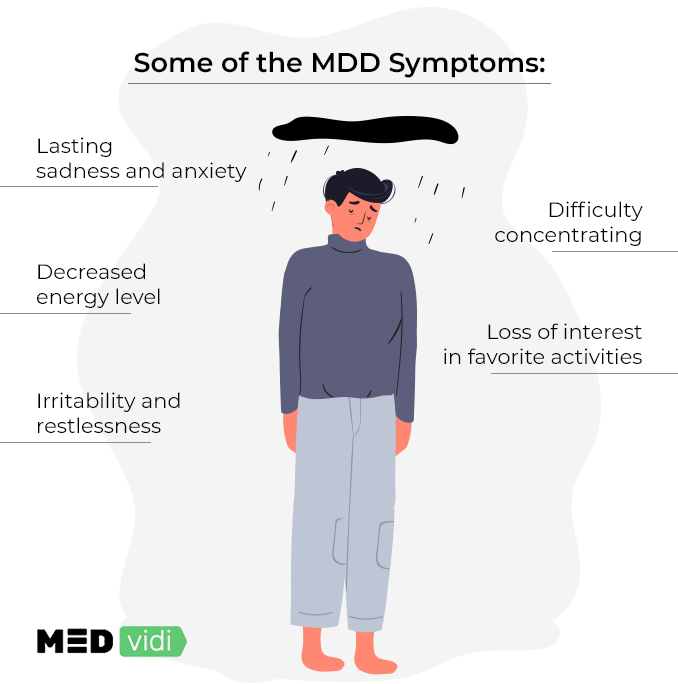
The most well-known symptom of MDD is a feeling of sadness or emptiness that’s so intense that it gets in the way of everyday activities. But there are other recognized symptoms of major depressive disorder.
- Depressed mood (which can present as sadness or emptiness; it can also present as irritability, especially in children and teens).
- Anhedonia, or a loss of interest and enjoyment in almost all activities, including things you used to like.
The other officially recognized symptoms of MDD include:
- Significant changes in appetite or weight (“significant” is defined as losing or gaining 5% of your weight in one month)
- Sleep difficulties (excessive sleeping or the inability to fall asleep)
- Changes in movement and speech (slowed down or appearing agitated)
- Low energy and fatigue
- Difficulty making decisions and concentrating
- Feelings of worthlessness or excessive and inappropriate guilt
- Repeated thoughts of suicide and/or death

How Is Major Depressive Disorder Diagnosed?
MDD can only be diagnosed by a licensed health provider. It’s best to see a mental health professional with expertise in depression and other mood disorders. Your provider will likely use a combination of methods to reach a diagnosis of major depression, including:
- Clinical interview (asking you questions about your symptoms and experiences)
- Psychological questionnaires, like the Beck Depression Inventory
- Lab tests to rule out other medical causes for your symptoms
You must experience at least a total of 5 of the symptoms listed in the DSM (including at least one of the core symptoms) for at least 2 weeks to be diagnosed with MDD.
In addition, the symptoms need to cause significant impairment in your life. This means that they get in the way of your ability to work, take care of yourself, or maintain healthy relationships.
Some people are able to continue to function well, especially at work, while living with depression. This still deserves to be taken seriously. Even if you are so-called “high-functioning,” depression is probably affecting at least one area of your life in a negative way.
See a licensed medical provider for an online assessment for depression and receive personalized support.
Causes and Risk Factors for Major Depressive Disorder
Major depression isn’t caused by one single thing, and researchers are still trying to understand more about it. Usually, a combination of different risk factors comes together to lead some people to develop depression.
Like most other mental health conditions, it’s not “nature vs nurture” when it comes to MDD. Usually, it’s a combination of both nature — the biology you’re born with — and nurture — the events that happen in your life — that lead to depression.
Some possible “nature” (biological) risk factors that can make you more likely to have depression include:
- Family History: Having a parent or sibling with depression can increase your risk.
- Genetics: Depression may be partially genetic, although researchers haven’t found a specific gene that leads to this condition. Some research shows that it could be
up to 40% genetic[3] . - Brain Biology: People with major depression often experience differences in brain chemistry, especially neurotransmitters like serotonin and dopamine. They may also have a smaller volume in important brain regions like the hippocampus.
- Hormonal changes: People may be more likely to develop depression during periods of big hormonal changes, like puberty, menopause, and pregnancy/childbirth.
“Nurture” (environmental or social) risk factors of MDD include:
- Traumatic Life Events: People who’ve experienced trauma, especially during childhood, are more likely to live with major depressive disorder.
- Physical Illness: People who live with physical health conditions like chronic pain, cancer, stroke, etc., are more likely to have depression. Researchers are studying whether the stress of living with these conditions is the culprit, or if there’s a biological connection.
- Major Stressful Event or Loss: Even if it’s not traumatic, a major life event or loss can make you more vulnerable to depression. However, major depressive disorder isn’t diagnosed when your feelings are part of your grieving process, so it’s important to talk with a mental health provider to be able to tell the difference.
- Substance Use: Certain substances and medications can make you more prone to experiencing depression. The most common example of this is alcohol.
Major Depressive Disorder Treatment Options
Major depressive disorder is painful to live with and can sap you of motivation and energy. But there is hope. There is a wide range of treatment options available to help you manage your symptoms and get back to feeling like yourself again.
Most people start with therapy, medication, or a combination of both. There are also more intensive treatments available if these first-line options don’t work for you.
Psychotherapy
Psychotherapy (talk therapy) for depression typically focuses on changing the negative or distorted views you may have about yourself or a situation that may be making your mental health state worse. Talk therapy can also help you identify and manage the main stressors in your life and use coping skills to deal with them.
Licensed therapists have formal training and education in several techniques that can help people with depression resolve deeply-rooted patterns and make positive changes in their lives.
Some of the most effective therapy methods for treating depression include:
- Cognitive-Behavioral Therapy (CBT): This therapy is based on the idea that people’s thoughts impact their emotions and behaviors (and vice versa). CBT can help you to learn to identify patterns of cognitive distortions (negative or irrational thinking) and to replace them with more positive, realistic thoughts that improve mood. It can also include behavioral activation techniques, which help you to act in different ways (like getting out of the house to exercise or see friends) even if you still feel depressed. Some studies have found that up to 70% of people with depression find relief with CBT.
- Dialectical Behavior Therapy (DBT): DBT was originally created to help people deal with self-harm and suicidal feelings. It can help you learn new tools to cope with painful feelings. DBT also uses a lot of mindfulness techniques to help you sit with these painful emotions without fighting against them.
Research shows[4] that DBT can even be helpful for treatment-resistant depression. - Interpersonal Therapy (IPT): One of the common complications of depression is that it can significantly affect your relationships. IPT works to help you improve your interpersonal skills — like communication and conflict management — to help strengthen your relationships. The idea is that when you have healthier relationships in your life,
your mood is more likely to improve as well[5] .
Medication
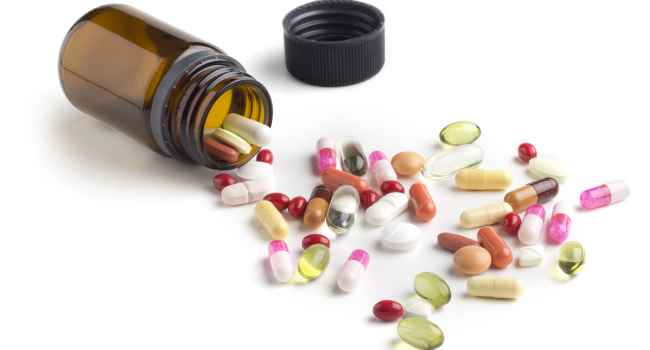
Many people with major depressive disorder also benefit from psychiatric medications, especially alongside therapy.
SSRIs (selective serotonin reuptake inhibitors) are a common antidepressant type prescribed for MDD. Their main function is to increase the available serotonin in your brain, which then improves your mood.
Examples of well-known SSRIs include:
Other common FDA-approved medications for MDD include:
- SNRIs (serotonin and norepinephrine reuptake inhibitors), like venlafaxine (Effexor XR) and duloxetine (Cymbalta)
- Bupropion (Wellbutrin)
- Tricyclic antidepressants like imipramine (Tofranil)
Your provider will define whether antidepressant medicines are right for you depending on your medical history, the severity of your symptoms, and other medications you may be taking. They will also weigh the benefits and side effects of each medication.
Never stop taking your medication without consulting your clinician first, even if you start feeling better. Quitting antidepressants suddenly can increase the risk of withdrawal symptoms or depression relapse. If you’re experiencing uncomfortable side effects, tell your provider right away. They can adjust your treatment plan to one that works better for you.
Self-Care Practices to Manage MDD Symptoms
Some self-care practices and lifestyle changes can also help you manage the symptoms of MDD alongside professional treatment.
You can try:
- Staying connected to your social support network, even when you feel like isolating.
- Doing things that bring joy, such as gardening, watching a movie, or taking part in a charitable cause — even when you don’t “feel like it.”
- Exercising regularly; research has shown that physical activity can greatly reduce depression symptoms.
- Eating healthy, well-balanced meals.
- Staying away from drugs and alcohol.
But keep in mind that these tips can only serve as extra support. MDD is a serious health condition that requires professional treatment. It doesn’t go away on its own. A mental health professional can make the right diagnosis, help you set realistic treatment goals, and provide you with an effective treatment plan.
Intensive Treatment for Severe/Persistent Symptoms
If you’ve tried therapy and medication, and your symptoms still haven’t gotten better, then you may be experiencing treatment-resistant depression. This doesn’t mean that there is nothing that can help you; it just means that the first-line treatments haven’t helped.
Here are some more innovative and/or intensive treatment options that your provider might recommend:
- Transcranial magnetic stimulation, or TMS, which uses electromagnetic waves to stimulate the areas of your brain affected by depression.
- Ketamine (Spravato, a nasal spray, is FDA-approved for treatment-resistant depression).
- Electroconvulsive therapy (ECT), which is similar to TMS but uses electric shocks under anesthesia.
Your provider may also recommend other types of medications, like antipsychotics, as either an add-on or an off-label replacement for antidepressants.
When to Seek Professional Help
It can sometimes be a challenge to tell the difference between “normal” sadness and major depressive disorder. Generally, you should reach out to a mental health provider as soon as possible if:
- Your symptoms or mood changes have lasted over 2 weeks.
- You’re feeling worse, not better, over time.
- Your symptoms are getting in the way of successfully working, taking care of yourself, or having healthy relationships.
- You’ve tried self-care practices, like regular exercise, and they don’t seem to be enough.
- You’re experiencing thoughts of harming yourself or ending your life.
You shouldn’t wait for your emotional state to become a crisis before getting the support you need. If you’re struggling with feelings of sadness or other symptoms, seek help right away.
If you’re experiencing suicidal or self-harming thoughts and require immediate assistance, contact a crisis hotline, such as 911, 988 suicide & crisis lifeline (toll-free), or Samaritans (116-123 or via chat).
How MEDvidi Can Help With Depression Care
You don’t have to walk through this alone; MEDvidi is here to help. We connect adults who have depression (and other mental health conditions) with licensed medical providers online. Your provider can:
- Help you understand your symptoms.
- Provide the right diagnosis after a thorough evaluation.
- Walk you through your treatment options.
- Recommend a personalized care plan.
- Prescribe medication online when appropriate.
Conclusion
When you live with MDD, it’s easy to start feeling hopeless. But try to remember that there are many different treatment options available to you. You don’t need to feel this way forever, and a mental health provider can help walk you through the process. There is hope, and you are not alone. With the right diagnosis and treatment, you can start feeling like yourself again.
Frequently Asked Questions
What does MDD stand for?
MDD stands for major depressive disorder. It’s the medical term for what many people call clinical depression.
Is MDD a serious condition?
Yes, MDD can be serious because it can affect every area of your life, including your mood, energy, sleep, relationships, and ability to function. It can also increase the risk of self-harm or suicide, especially when it’s severe or untreated.
Can you recover from major depression?
Yes, many people recover from major depression with the right treatment. Therapy, medication, lifestyle changes, and ongoing support can all help reduce symptoms and prevent relapse.
How long does major depressive disorder last?
A major depressive episode lasts at least 2 weeks, but it can continue for months or longer without treatment. Some people have just one episode, while others experience depression that comes back over time.
What is it like living with major depressive disorder?
Living with MDD can make everyday tasks feel much harder than usual. You may feel exhausted, disconnected, hopeless, or unable to enjoy things that used to matter to you.
What does severe depression feel like?
Living with a severe depressive disorder can feel overwhelming and painful. Some people feel empty, numb, unable to get out of bed, or hopeless, like life will never improve. You might also feel more irritable.
Is MDD the worst type of depression?
MDD can be very severe, but different types of depression affect people in different ways. There’s not one type that’s “worse” than another. Other forms of depression can also be serious, especially when symptoms are long-term or interfere with daily life.
How does someone with MDD act?
Someone with MDD may seem withdrawn, tired, irritable, or less interested in things they usually enjoy. They may also have trouble keeping up with work, school, relationships, or basic routines. However, some people have “high-functioning” depression, which means they may continue meeting their responsibilities at work or daily routines but still struggle with persistent sadness, emptiness, or hopelessness.