



Their inclusion does not guarantee they will be prescribed to any individual, as treatment decisions are ultimately at the discretion of healthcare providers. Healthcare providers may prescribe other medications, including non-stimulant options, or recommend non-pharmacological treatment based on the patient’s unique health circumstances and needs. Read more
Adderall has a
Highlights
- There is no universal Adderall dose for every single person, and everyone’s dosing should be tailored to the needs of their body.
- The typical starting dose for Adderall is 5 mg once or twice daily (10 mg in some cases). Extended-release Adderall, Adderall XR, can be started at 20 mg once daily in the morning.
- For ADHD, the recommended FDA maximum dosage of Adderall is 40 mg daily for Adderall and 60 mg daily for Adderall XR. Maximum doses are rarely needed.
Adderall is commonly prescribed to help improve focus, attention, and impulse control in people with ADHD (attention-deficit hyperactivity disorder) and for people with narcolepsy. It falls under the category of controlled substances, so it is only available by prescription.
Finding an ideal Adderall dosage requires an individualized approach. A healthcare provider will carefully evaluate the symptoms, medical history, the particular Adderall formulation, and a patient’s personal needs. From this comprehensive guide, you’ll learn more about common and maximum dosages, and get other helpful insights.
Consult a licensed medical provider online to get your symptoms assessed and receive personalized care.
What Is Adderall?
Adderall is a prescription medication that belongs to the class of central nervous system (CNS) stimulants. It is commonly used to treat attention-deficit hyperactivity disorder (ADHD) and narcolepsy. Adderall contains a combination of two active ingredients: amphetamine and dextroamphetamine sulfate.
Adderall’s main objective is to regulate specific brain chemicals (neurotransmitters), especially dopamine and norepinephrine, and boost their availability in the brain. These neurotransmitters play a crucial role in impulse control, focus, and attention. Due to that, Adderall helps people with ADHD symptoms focus better, control impulsive behavior, and concentrate for longer periods. It may also improve productivity and reduce distractibility, which results in better work and academic performance. It’s also used for narcolepsy to keep people awake.
Adderall vs. Adderall XR: Difference
The same medicine, Adderall, is available in two different formulations: Adderall and Adderall XR. Both have unique properties and uses. While Adderall comes in an immediate-release form, Adderall XR is an extended-release version.
- Adderall, being an immediate-release formulation, typically lasts 4 to 6 hours. It starts working soon after administration, but, due to its shorter duration, additional doses could be required to maintain effectiveness, according to the clinician’s instructions. Adderall is
prescribed[2] for attention-deficit hyperactivity disorder and narcolepsy. Adderall XR[3] , on the other hand, is an extended-release formulation designed to provide a prolonged duration of action. It is only prescribed to treat ADHD. Its effects typically last between 10 and 12 hours, and the active ingredients are released gradually over this period. This extended-release technology eliminates the need for several administrations during the day, which ensures continuous symptom control with a single daily dose.
Adderall and Adderall XR: Forms and Strength
The decision between Adderall and Adderall XR is based on a number of variables, such as the patient’s response to the medicine and lifestyle requirements. A healthcare provider will also consider convenience, the patient’s personal preferences, and the time needed to control symptoms. Also, available dosages and forms are taken into account.
| Criteria | Adderall | Adderall XR |
| Strength | 5 mg, 7.5 mg, 10 mg, 12.5 mg, 15 mg, 20 mg, 30 mg | 5 mg, 10 mg, 15 mg, 20 mg, 25 mg, 30 mg |
| Form | Tablets | Capsules |
| Intake Frequency | Once or more than once daily | One daily dose in the morning |
| Approximate Duration | 4 to 6 hours per dose | 10 to 12 hours |
Adderall Dosage for Adults at a Glance
Adderall is a federally controlled substance, so it is important to adhere to your clinician’s recommendations to ensure safe use. Patients shouldn’t change the dose without first consulting their medical provider. Here is a review of typical dosage options.
| Indication and Formulation | Initial Dose and Frequency | Maximum Daily Dose |
| Adderall IR for ADHD | Usual starting dose is 5 mg; 1 to 3 times daily (separated by 4 to 6 hours) | 40 mg |
| Adderall XR for ADHD | 20 mg; Once daily in the morning | 60 mg |
| Adderall IR for Narcolepsy | 10 mg; 1 to 3 doses daily divided throughout morning and afternoon | 60 mg |
Note that the dosages are provided for informational purposes only. There is no standard “average” Adderall dose for adults because dosing is individualized. Always consult with your clinician to determine the most appropriate dosage for you.
Adderall Dosage for ADHD
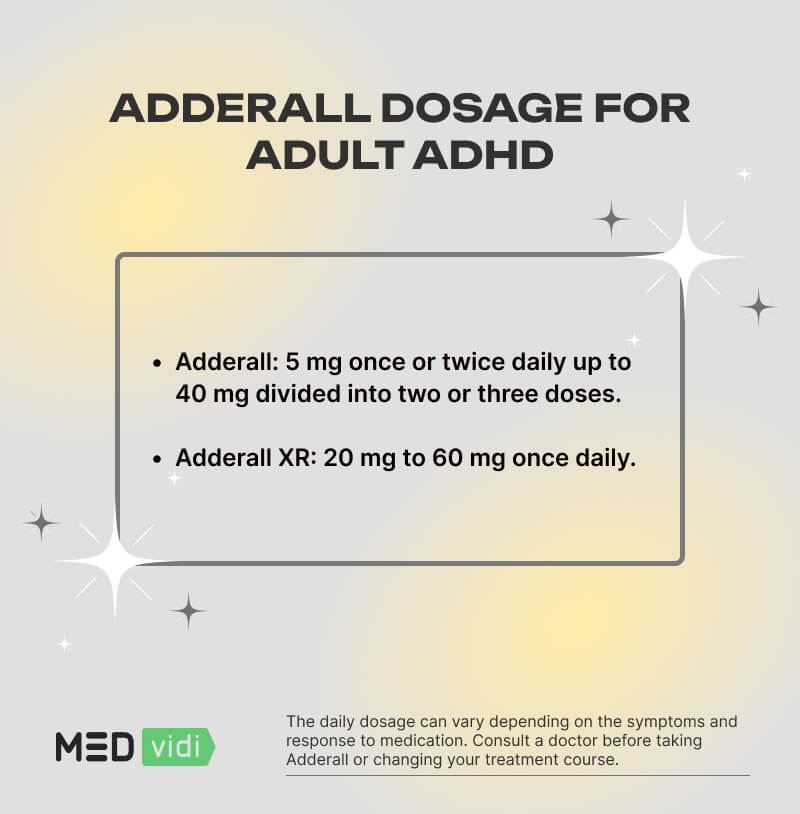
When taking Adderall IR for ADHD, the typical starting dose for adults is 5 mg taken once or twice daily. This dose may be increased by a healthcare professional and taken up to 3 times daily at separate intervals of 4 to 6 hours. The maximum recommended daily dose is 40 mg.
When taking Adderall XR for ADHD, the typical starting dose for adults is 20 mg once daily in the morning. This dose may be increased by a healthcare professional up to 60 mg once daily in the morning; however, studies
Adderall Dosage for Narcolepsy
When taking Adderall IR for narcolepsy, the typical starting dose is 10 mg daily. Depending on individual circumstances, a healthcare professional may increase this dosage so that you take a higher dose or take it more often throughout the day. The maximum daily dose of Adderall IR for narcolepsy is usually 60 mg.
Factors That Influence the Choice of Adderall Dosage
Several factors can influence the choice of Adderall dosage. Clinicians will evaluate multiple factors about each person to determine what is the safest and lowest dose of Adderall that is appropriate to treat their symptoms. Here are some of the considered factors:
- Age. The right dosage of Adderall may vary based on the patient’s age. Dose requirements for children, adolescents, and adults differ due to differences in metabolic and physiological factors.
- Weight. A higher dosage may be necessary to have the desired therapeutic effect in patients with greater body weight.
- Medical history. Adderall may not be a suitable medication for people with heart conditions, high blood pressure, glaucoma, hyperthyroidism, certain mental health conditions, or a history of substance misuse due to its potentially severe side effects.
- Formulation. Depending on symptoms and personal preference, Adderall IR or XR may be more appropriate. They have different duration of action and are taken differently throughout the day.
- Concurrent medications. Some medications may interact with Adderall, including gastrointestinal and urinary acidifying and alkalinizing agents, tricyclic antidepressants, selective serotonin reuptake inhibitors (SSRIs), serotonin-norepinephrine reuptake inhibitors (SNRIs), and others. Adderall’s effects may be heightened or diminished in this case, so dosage modifications may be necessary to maintain the optimal therapeutic response.
- History with stimulants. The appropriateness of Adderall may depend on one’s experience with stimulant medications that have been tried for ADHD symptoms.
Get your symptoms assessed online in 24 hours and receive a personalized treatment plan for ADHD.
Note that booking an appointment doesn’t guarantee obtaining a prescription. The decision is at the discretion of your healthcare provider.
Adjusting Adderall Dosage
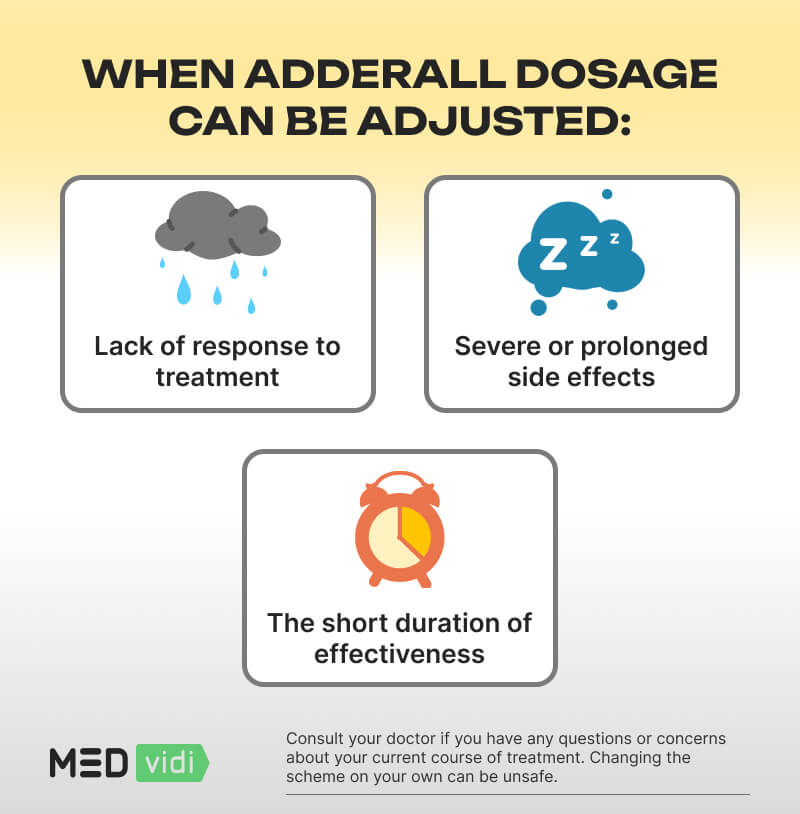
Sometimes, the initially chosen Adderall dosage needs to be changed. It can happen if the dose is too low, too high, or not effective for a particular patient. These aspects are examined during follow-up appointments with a healthcare professional.
The following factors can influence the decision to adjust the dosage to efficiently treat ADHD symptoms while minimizing negative effects.
- Response to treatment. A medical provider will evaluate the patient’s reaction to the medicine, considering symptom improvement, tolerability, and probable side effects. To gauge how well the treatment is working, they could utilize validated rating scales or ask particular questions. It is typical to first prescribe the lowest effective dose, so a clinician may increase it depending on the results of this assessment. In some other cases, the dosage can be decreased.
- Titration process. Titration refers to gradually raising or reducing the dose, and is frequently used in Adderall dosing. This enables meticulous monitoring of the person’s response and aids in determining the lowest effective dose that provides the best therapeutic results. Titration should be carried out gradually at particular intervals to avoid any unnecessary effects.
- Side effects. If an individual experiences intolerable side effects, such as increased heart rate, elevated blood pressure, or significant emotional distress, it’s important to report them to the healthcare professional. These side effects may indicate that the current dosage is too high, and a dose reduction or alternative treatment option may be necessary.
- Treatment goals. Depending on the patient’s treatment objectives, the dosage of Adderall may be changed. For instance, if symptom control is unsatisfactory, an upward dose modification may be considered. Conversely, a dose decrease or the choice of another treatment may be necessary if the patient has acceptable symptom control but is troubled by side effects.

It’s important to schedule routine follow-up visits with the medical professional to evaluate the dosage’s continued efficacy. Changes in the person’s condition, age (in the case of children and teenagers), or other circumstances over time may necessitate adjustments. The recommended dose can stay effective with regular reevaluation.
It is also essential to keep the lines of communication open with the medical provider. It will be possible to assess the effectiveness of the prescribed dose and spot any potential side effects or insufficient symptom control with frequent check-ins. Feedback on the medication’s effects can help to decide whether a dosage adjustment is required.
How to Take Adderall
Since there are different forms, strengths, and intake rules for Adderall, patients should follow the personalized recommendations mentioned in the prescription. It is also advisable to ask all the questions about taking Adderall during an appointment and make notes.
The following are some general recommendations when using Adderall:
- Instructions. Read the medication guide or the pharmacy’s information very carefully. It will include crucial information about the medication, such as dose guidelines, any adverse effects, and precautions to be aware of.
- Dosage. Observe your clinician’s dosage recommendations. The dosage can change based on your condition’s severity, age, weight, and other variables.
- Timing. Use Adderall as directed, typically in the morning. Due to its stimulating qualities, using it late in the day can disrupt your sleep patterns.
- Swallowing. Drink some water and swallow the whole tablet or capsule. The way you consume the extended-release capsules or tablets could be impacted if you chew, crush, or break them.
- Food and drinks. Adderall can be taken with or without food. However, avoid taking it with acidic beverages like orange juice since it could lessen the medication’s effectiveness.
- Regular use. Regularly take Adderall as directed by your clinician. It’s crucial to adhere to the recommended regimen and not change the dosage or frequency without first consulting a healthcare provider.
- Monitoring. Observe your symptoms, adverse reactions, and medication response in general. When you and your clinician are talking about your progress during follow-up appointments, this information will be helpful.
Keep in mind that this is simply general advice, and it’s crucial to speak with a healthcare provider to get detailed instructions based on your medical background and current state. They can advise you on the right dosage, drug interactions, safety concerns, or contraindications.
Signs Your Adderall Dose Is Too Low
Determining whether your Adderall dose is too low is a complex task requiring a healthcare professional’s careful assessment. However, a few signs may suggest your current Adderall dose is insufficient. Here are some potential indicators:
- Lack of symptom improvement. If you see little to no improvement in your symptoms of ADHD or narcolepsy after using Adderall for some significant period of time, it may be because the dose is too low.
- Difficulty with symptom control. For people with ADHD, Adderall is frequently recommended to improve focus and attention. If you have trouble focusing, staying on task, or maintaining attention even while taking the medication, this may indicate that the dose is insufficient. If you exhibit severe hyperactivity or impulsivity, it may also indicate that you may need a higher dosage.
- The short duration of effectiveness. Some patients may discover that the medication’s effects subside too soon, causing symptoms to relapse before the next dose. It can be a sign that the dose is too low or that a longer-acting formulation might be more appropriate.
- Side effects without symptom improvement. While it is common to have some side effects while taking Adderall, having them without getting the expected symptom improvement may be a sign that your dose is not appropriate.
Never exceed the prescribed dosage. Only a healthcare professional can evaluate your response to treatment and adjust it, if deemed appropriate.
How Much Is Too Much Adderall in 24 hours?
Taking more than prescribed or more than the maximum dose of Adderall in 24 hours is too much Adderall. The maximum dose of Adderall IR is 40 mg for ADHD, 60 mg for narcolepsy, and the highest dose of Adderall XR studied in adults is 60 mg.
Taking too much medication within a day or for a more prolonged period can cause Adderall misuse. At the same time, the amount that leads to misuse or constitutes an overdose can be even lower since it varies depending on an individual’s tolerance, weight, and overall health. It’s essential to follow the prescribed dosage and instructions provided by a healthcare professional. Taking more than the recommended amount can increase the risk of an overdose.
The symptoms of Adderall overdose include the following:
- Agitation and restlessness
- Rapid breathing or difficulty breathing
- Increased heart rate or palpitations
- Elevated blood pressure
- Tremors or muscle twitching
- Fatigue
- Severe headache
- Hallucinations or delusions
- Confusion or disorientation
- Nausea, vomiting, or diarrhea
- Sweating excessively
- Panic or anxiety attacks
- Loss of consciousness or seizures
Note that exceeding the recommended maximum dose of Adderall can increase the risk of specific side effects, including elevated heart rate, increased blood pressure, anxiety, insomnia, and other potentially serious complications.
Things to Do When You Suspect Adderall Overdose
It is critical to get immediate medical assistance if you believe you may have taken too much Adderall. Moreover, it is recommended to periodically pause medication delivery under the supervision of your clinician and monitor if the changes in behavioral symptoms are sufficient or require continued therapy. Regarding pharmaceutical overdosing, it’s always better to be cautious.
If you believe someone took too much Adderall, call the emergency number (911 in the US) to get help. Tell the operator you believe that a person has an Adderall overdose, and provide them with any pertinent details. Inform the emergency personnel if you know anything about the patient’s health, the dosage of Adderall consumed, or any other important information. They can provide the right medical advice in such a scenario. Follow their instructions until the emergency team arrives to take over the patient.
The Impact of Adderall Dosage on Side Effects
Like any medication, Adderall can have some bothersome adverse reactions. The dosage of Adderall can influence the severity and likelihood of these side effects. Depending on the individual, the impact can be different, but in general, greater doses of Adderall are more likely to cause negative effects than lower doses. The following are a few of the side effects of Adderall:
- Increased heart rate and blood pressure. Adderall can elevate heart rate and blood pressure. Higher doses may intensify these cardiovascular side effects, raising the risk of various problems relating to the heart.
- Insomnia. Being a stimulant medication, Adderall may prevent you from falling asleep. Higher doses or doses administered later in the day may make it harder for people to fall asleep or stay asleep, resulting in insomnia.
- Nervousness and anxiety. Adderall can increase feelings of nervousness, anxiety, and irritability. Higher doses may exacerbate these symptoms, possibly resulting in agitation, annoyance, or even panic episodes.
- Decreased appetite. Adderall can suppress appetite; higher doses can further reduce the desire to eat. In particular, if the dosage is dramatically raised, this may cause weight loss or insufficient nourishment.
- Gastrointestinal issues. As a result of taking Adderall, some people may experience nausea, constipation, or stomachaches. Higher doses might make these gastrointestinal effects more likely or more severe.
- Headaches. Sometimes, Adderall might result in headaches or migraines. The risk or severity of these headaches may be raised with higher doses.
Some side effects of Adderall are mild and temporary; remember to ask your clinician about the most common adverse reactions and how to deal with them. If any side effects are severe or prolonged, consult your medical provider right away.
Final Words
Figuring out the right Adderall dosage is a difficult procedure that must carefully consider every individual patient’s response and circumstances. Consultation with a licensed medical professional is essential to assess your unique situation, considering age, medical history, and any underlying problems.
While Adderall can be very helpful in treating ADHD, it must be used carefully and responsibly because misuse or abuse can have major negative effects on one’s health. It is crucial to determine the proper dosage under medical supervision to maximize the benefits and reduce any potential hazards. See a licensed medical provider online at MEDvidi to go through a comprehensive mental health assessment and learn more about available ADHD treatments.
Frequently Asked Questions
What if I miss a dose?
It is typically advised to take medication in the shortest possible time after missing a dose. But if it’s almost time for your next scheduled dose, it’s better to continue your regular dosing plan. Taking a double dose to make up for a missed one can increase the risks of side effects.
Is 10 mg or 20 mg of Adderall a lot for a person with ADHD?
10 mg of Adderall is considered a relatively low dose and sometimes even a starting dose of Adderall IR for ADHD. The usual starting dose is 5 mg once or twice daily, meaning the starting dose may be 10 mg total daily.
20 mg of Adderall daily is also considered a safe and efficacious dose, unless individually advised otherwise. This is in the therapeutic range of 5 mg to 40 mg maximum of Adderall per day.
What does 30 mg or 40 mg of Adderall do to you?
Adderall works by stimulating your nervous system to help to manage ADHD and narcolepsy symptoms. If prescribed by a licensed healthcare provider, taking 30 mg of Adderall daily is considered a safe and efficacious dose and is in the therapeutic range of 5 mg to 40 mg maximum of Adderall per day for ADHD. Never exceed the prescribed dose.
Taking 40 mg daily of Adderall IR for ADHD is considered the maximum efficacious dose. Although it is the maximum dose, it is still considered to be a safe and efficacious dose to treat ADHD symptoms when it’s taken according to your clinician’s instructions.
What is a normal Adderall dosage for adults with depression?
Adderall is not FDA-approved for treating depression in adults, but it may be used off-label for depression as an adjunct to an SSRI or SNRI. This means it can be prescribed by a clinician if they believe it may be useful for someone’s symptoms. The dosages are usually very low but can vary from person to person. There is no suggested starting dose since there have not been clinical trials performed to evaluate Adderall effectiveness for depression.